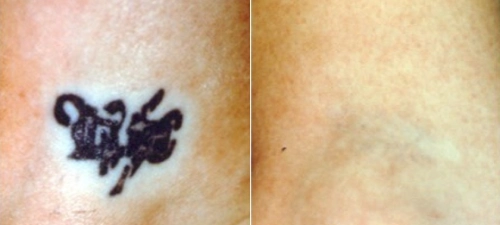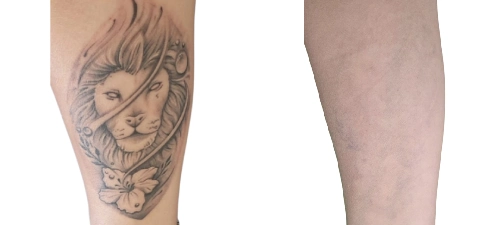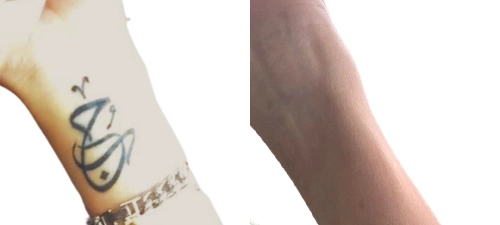
Tattoo removal is increasingly requested for a variety of reasons, including changes in personal preferences, the appearance of a tattoo over time, unwanted cosmetic tattoos, or reactions to tattoo pigments.
Traditional tattoo removal methods such as dermabrasion, chemical peeling, and surgical excision can result in scarring and may not be appropriate for every tattoo. Laser tattoo removal provides a more selective approach by targeting tattoo pigments with specific wavelengths of laser energy.
Laser Tattoo Removal
The choice of laser depends on the tattoo’s colour, depth, pigment composition, and whether it is professional, amateur, or cosmetic.
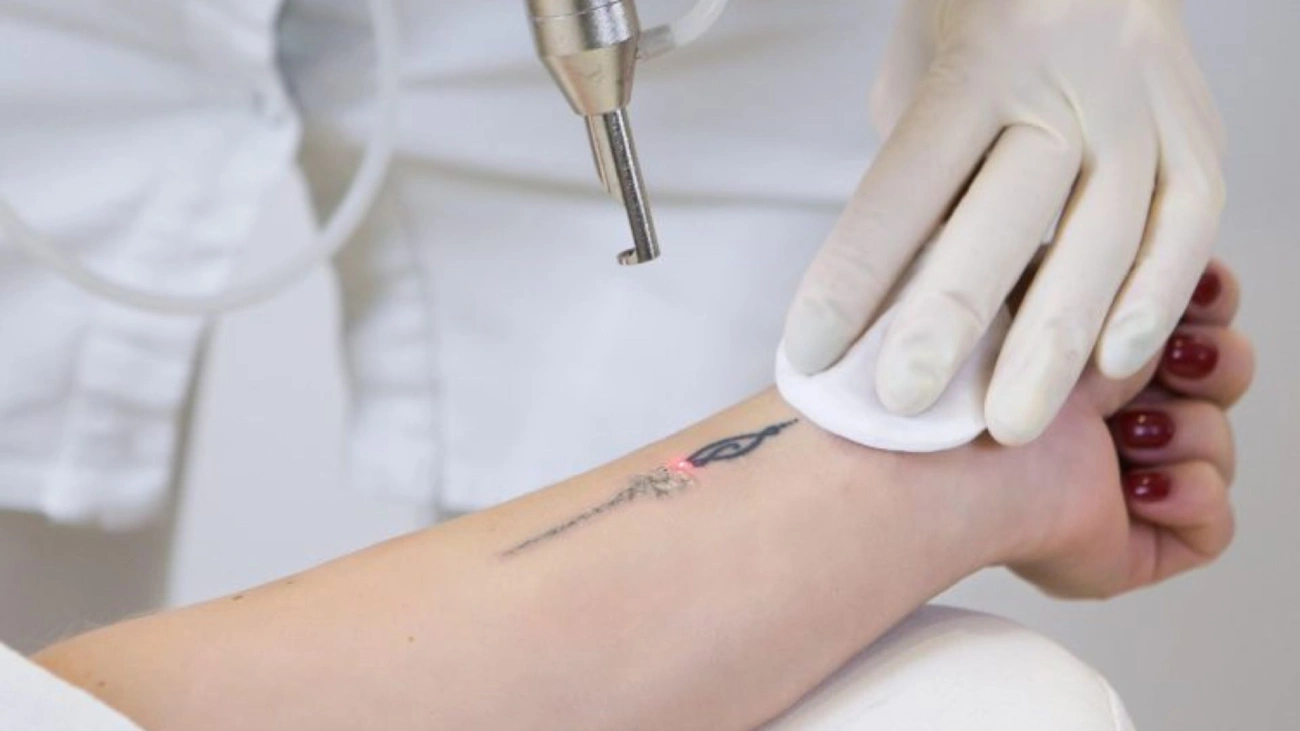
Q-switched lasers deliver high-intensity energy in very short nanosecond pulses. This energy targets the tattoo pigment, breaking it into smaller particles that can then be cleared gradually by the body’s natural processes.
Q-switched laser technology, including 532 nm and 1064 nm wavelengths, may be used for selected black, blue, green, and other tattoo pigments. The appropriate wavelength is determined according to the colour and characteristics of the tattoo.
Professional tattoos are generally more complex to treat because they may contain multiple pigments deposited deeper within the dermis. Amateur tattoos may be more superficial and contain fewer pigment colours. In general, black and blue pigments tend to respond differently from lighter or more complex colours, which may require a different treatment approach.
PFD Patch-Assisted Tattoo Removal
Dr. Dany Touma uses perfluorodecalin (PFD) patches in selected tattoo removal treatments. PFD patches can allow multiple laser passes during a treatment session and may help reduce the overall treatment time between sessions.
Treatment response varies according to the tattoo’s location, depth, density, pigment composition, skin type, and previous treatment history. Multiple sessions are generally required, with treatments commonly spaced approximately 4–6 weeks apart. The number of sessions is determined following clinical assessment and may vary significantly between tattoos.
Cosmetic Tattoo Removal
Cosmetic tattoos, including eyebrow and eyeliner tattoos, require particular consideration because their pigments may react differently to conventional Q-switched laser treatment. Some cosmetic pigments can contain light-coloured or iron-containing components that may change colour when exposed to certain laser wavelengths.
Depending on the pigment and location, ablative laser treatment such as Er:Yag may be considered. Dr. Touma uses Er:Yag laser technology in selected cases to remove or reduce cosmetic tattoo pigment.
A consultation is essential before tattoo removal to identify the pigment characteristics, assess the skin, and determine the appropriate laser technology and treatment protocol.
Mohs Micrographic Surgery
Mohs Micrographic Surgery is a specialized technique for treating certain types of skin cancer while carefully preserving as much healthy surrounding tissue as possible. It is particularly considered for skin cancers located in cosmetically and functionally important areas, such as the face, as well as selected recurrent or complex tumors.
A key feature of Mohs surgery is the examination of the surgical margins during the procedure. After the visible tumor is removed, the tissue margins are mapped, processed, and examined microscopically. If cancer cells remain at the margins, additional tissue is removed from the specific area involved and examined again.
This process continues until the examined margins are clear, helping the surgeon determine the extent of tumor removal before proceeding with reconstruction. Because tissue is removed in a controlled, margin-directed manner, Mohs surgery may help limit the removal of uninvolved surrounding tissue.
Following tumor clearance, reconstruction is planned according to the location, size, and depth of the surgical defect, with consideration given to both functional and aesthetic factors. Dr. Touma’s experience in facial reconstruction forms an important part of the overall surgical approach.
Mohs surgery is performed by Dr. Touma and dermatologic surgery colleagues following careful assessment of the type, location, and characteristics of each skin cancer. A consultation is required to determine whether Mohs Micrographic Surgery is appropriate for the individual case.