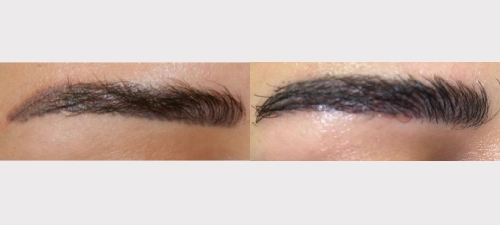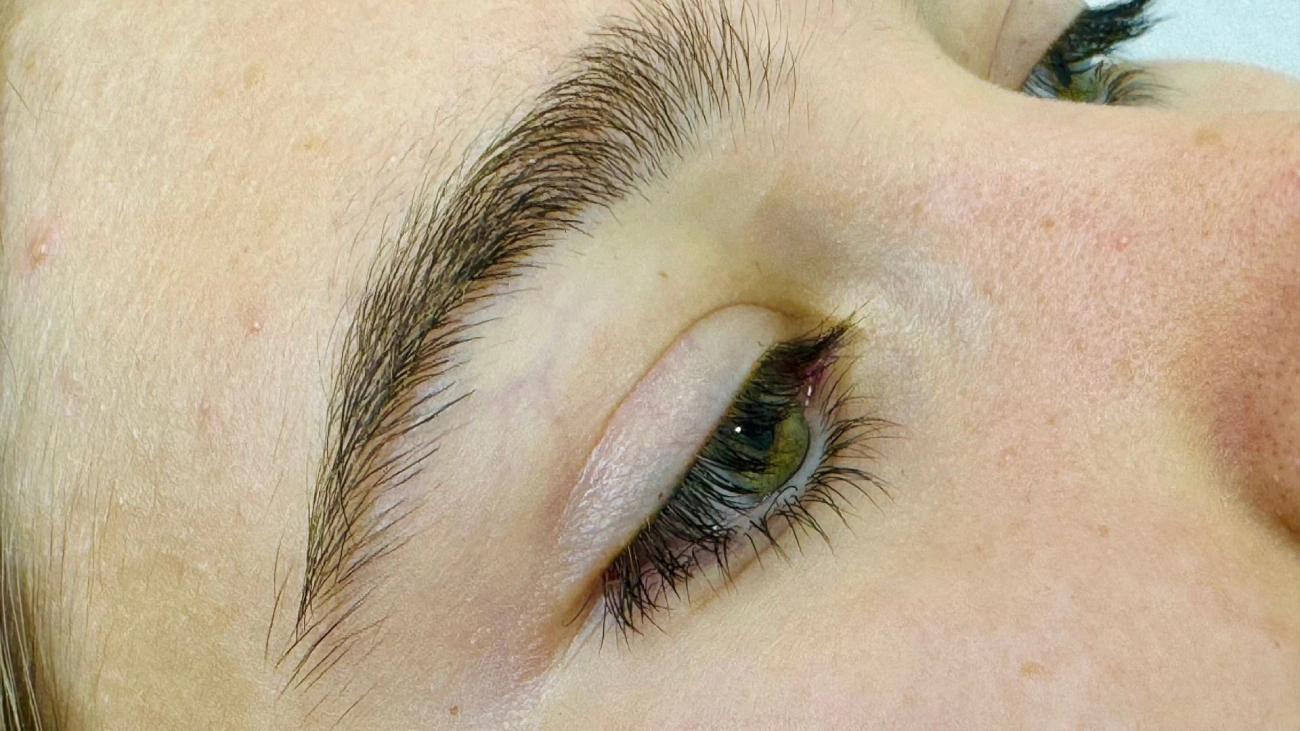
Eyebrow transplantation requires careful planning and surgical technique because eyebrow hair has distinct growth patterns and angles. Dr. Dany Touma has extensive experience in hair restoration and approaches eyebrow transplantation with attention to natural growth direction, facial proportions, and individual anatomy.
Eyebrow Restoration: Characteristics & Technique
Eyebrows are an important facial feature that frames the eyes and contributes to overall facial balance. Eyebrow thinning or loss can result from excessive plucking, medical conditions such as thyroid disorders or alopecia areata, burns, infections, previous tattooing, congenital factors, or genetic predisposition.
For suitable candidates, eyebrow transplantation uses hair follicles from a donor area to restore areas of reduced density or missing hair. Because eyebrow hair differs from scalp hair, the transplantation technique requires particular attention to graft selection, direction, angle, and placement.
Key Characteristics of Eyebrow Hair
Directional Growth: Eyebrow hairs grow in different directions, creating the natural fan-like and converging pattern of the brow.
Growth Angle: Eyebrow hairs emerge at a much shallower angle than scalp hair and lie relatively close to the skin.
Single-Hair Growth: Eyebrows naturally consist primarily of individual hairs, so single-hair grafts are selected for transplantation.
Regular Trimming: Transplanted scalp hairs retain their original growth characteristics and continue to grow. Regular trimming may therefore be required to maintain the desired eyebrow length.
Eyebrow Transplantation Technique
Recipient sites are carefully created at shallow angles to replicate the natural direction and lay of eyebrow hairs. Since eyebrow restoration requires single-hair grafts, follicles from the donor area are carefully dissected under magnification before implantation.
The procedure requires meticulous graft selection and placement to recreate the natural density, direction, and shape of the eyebrows.
Dr. Dany Touma and his team take an individualized approach, assessing facial features, existing eyebrow structure, and donor hair characteristics to develop an eyebrow design that complements each patient’s facial anatomy.