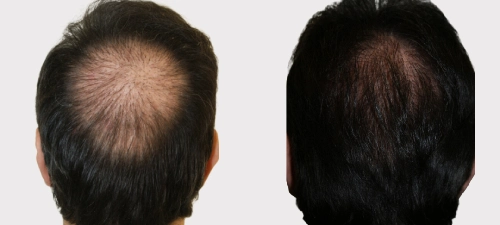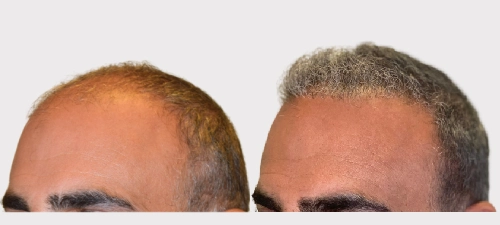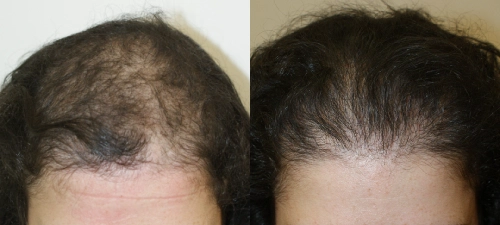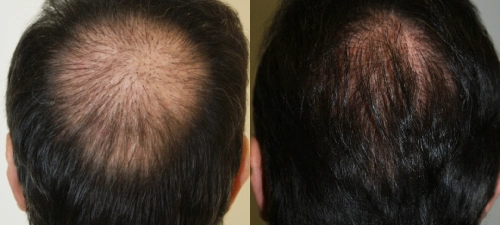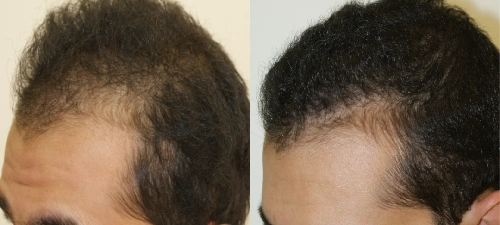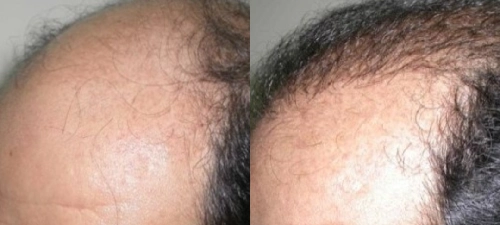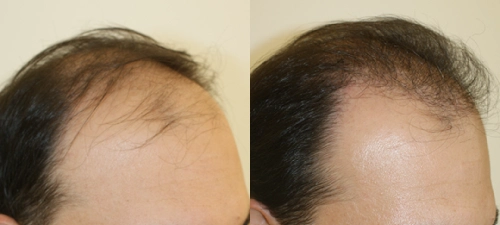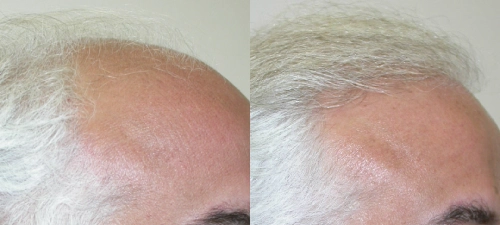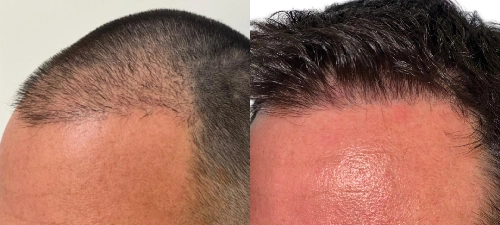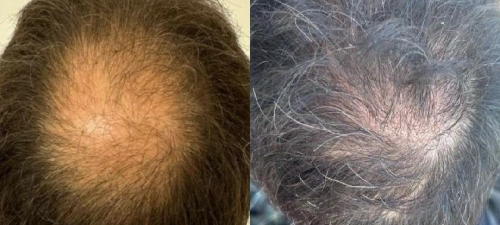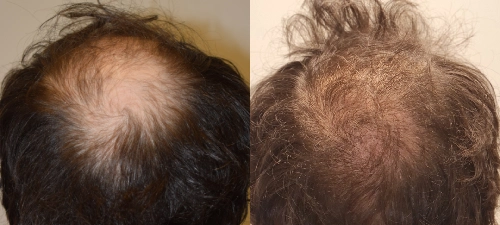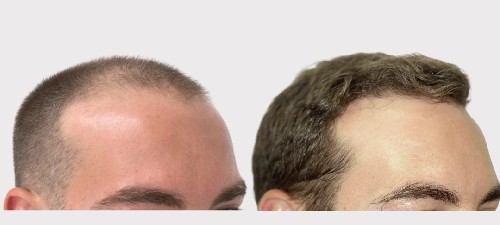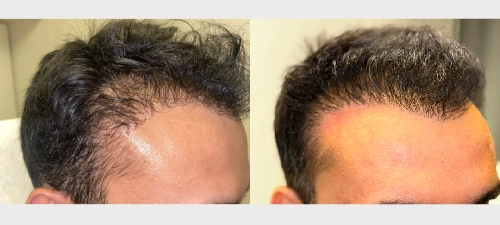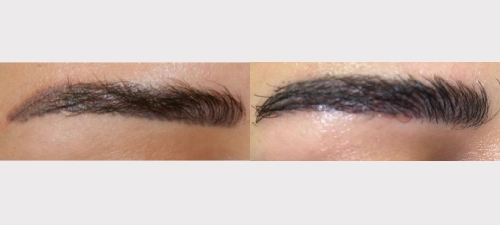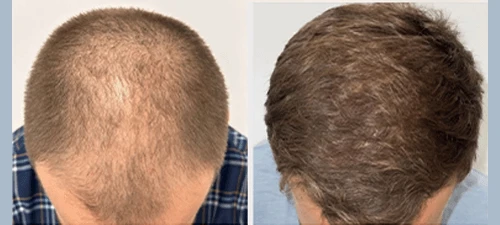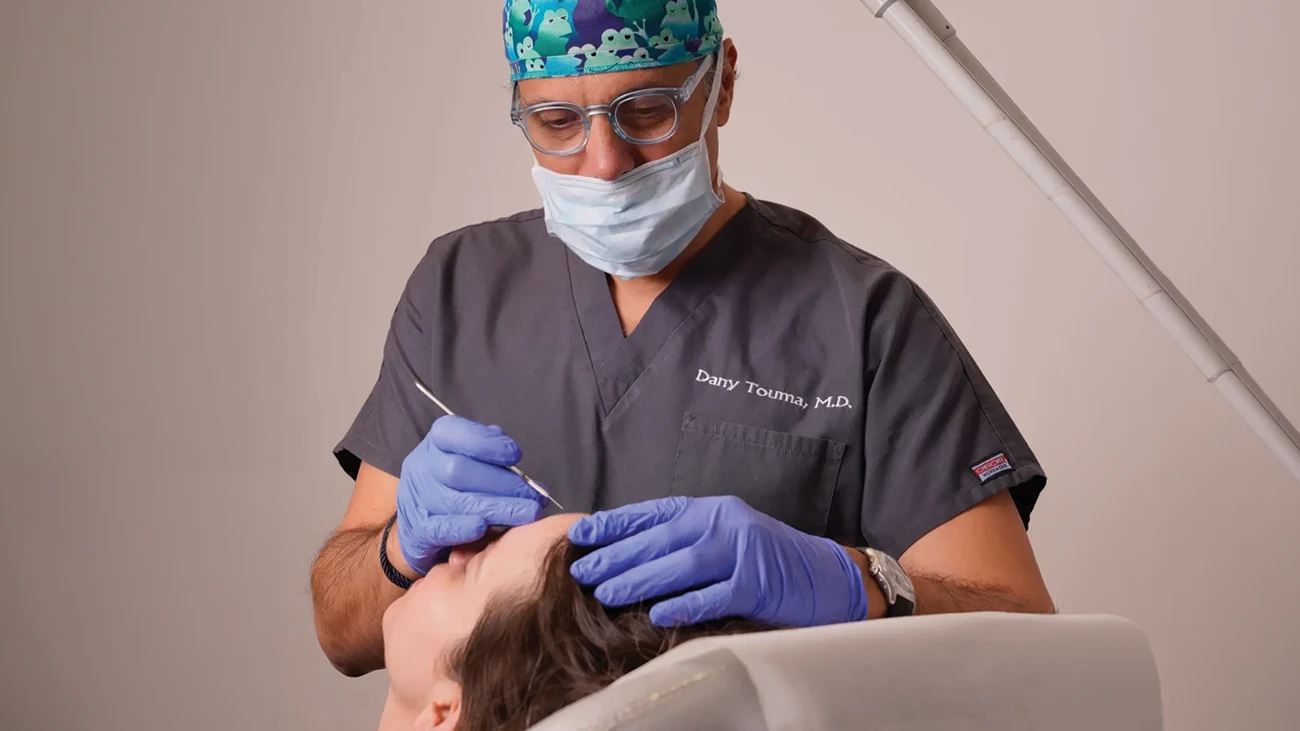
Half the hair transplantation process is technique and maintenance treatment, and the other half is the hairline design that has to be extremely artistic. I sometimes see patients of mine that have such a natural result I even can not tell they had a transplant! On the other hand so many unfortunate men and women go commercial and by trying to save money, they are stuck with a horribly artificial-looking hair over their head, or poor results.
– Dany Touma, M.D.
Hair transplantation combines surgical technique with careful hairline design and long-term hair-loss management. Dr. Dany Touma places particular emphasis on creating hairlines that follow the patient’s facial proportions, age, hair characteristics, and natural growth pattern.
ARTAS® Robotic Hair Transplantation
Dr. Dany Touma, founder of The Skin Clinic, was among the first to introduce the ARTAS® robotic FUE hair transplantation system in the Middle East, at The Skin Clinic in Beirut.
The ARTAS® system uses robotic-assisted follicular unit extraction, allowing individual grafts to be selected and harvested from the donor area according to programmed parameters.
Dr. Dany Touma and his team currently perform manual FUE harvesting, allowing the technique to be selected according to the patient’s donor characteristics, hair loss pattern, and treatment requirements.
Manual Hair Transplantation: FUE (Follicular Unit Extraction)
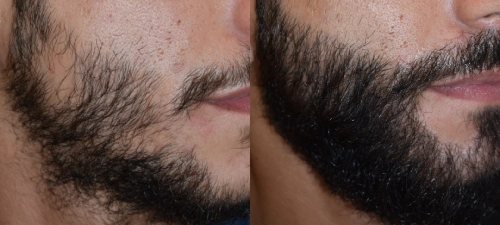
Dr. Dany Touma and his team perform FUE hair transplantation, with graft placement tailored to the patient’s hairline and areas of hair loss. The techniques can also be used for eyebrows, beard, mustache, sideburns, and selected scarred areas.
With FUE (Follicular Unit Extraction), individual follicular units are extracted from the donor area using small punches and then prepared for implantation. Single-hair grafts may be used to create the frontal hairline and other areas where finer placement is required.
Donor Site
Careful donor-area assessment is an important part of hair transplantation. Hair is usually harvested from the back and sides of the scalp, taking into consideration the stability and density of the donor hair.
When scalp donor supply is limited, selected patients may also be assessed for beard hair as an additional donor source.
FUE (Follicular Unit Extraction) involves extracting individual follicular units with small punches rather than removing a strip. It does not create a linear donor scar, although small circular marks may remain.
Dr. Dany Touma and his team perform this technique and selects the approach on a case-by-case basis according to the patient’s hair characteristics, donor area, extent of hair loss, and treatment plan.
No-Shave FUE
No-Shave FUE allows selected patients to undergo FUE without completely shaving the donor area. Small sections of donor hair are trimmed and distributed throughout the donor region, allowing surrounding longer hair to conceal the extraction sites.
This technique can be considered for smaller transplant procedures. The number of grafts that can be harvested depends on the donor area and individual circumstances. In selected cases, procedures may be staged over time.
Hairline Design & Long-Term Hair Restoration
Hairline design is an important component of hair transplantation. Dr. Dany Touma considers facial proportions, age, existing hair density, hair direction, donor availability, and the anticipated progression of hair loss when planning the transplant.
Hair transplantation may be combined with medical hair-loss treatments and regenerative therapies such as PRP, where clinically appropriate, as part of a longer-term hair restoration plan.
Hair Transplant Repair
Repairing a previous hair transplant requires careful assessment of the existing grafts, donor supply, hairline position, density, and direction of transplanted hair.
Dr. Dany Touma and his team evaluate previous transplant results and develop an individualized repair strategy, which may involve corrective transplantation, medical treatment, or a combination of approaches.