Laser Hair Removal
Unwanted hair is common and may be influenced by genetic, hormonal, and medication-related factors. In women, increased facial or body hair can sometimes be associated with hormonal conditions such as polycystic ovary syndrome (PCOS). When excess hair growth is accompanied by other symptoms such as acne, scalp hair thinning, irregular menstrual cycles, or weight changes, medical evaluation may be recommended to identify possible underlying causes.
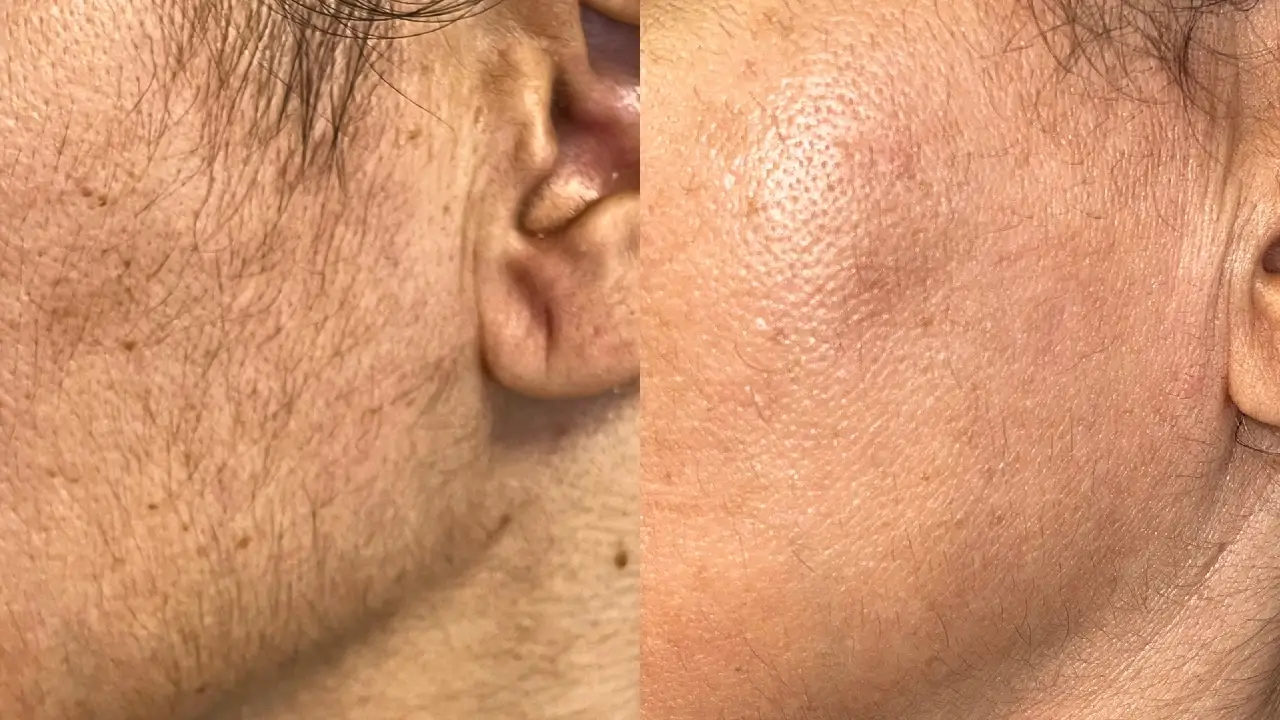
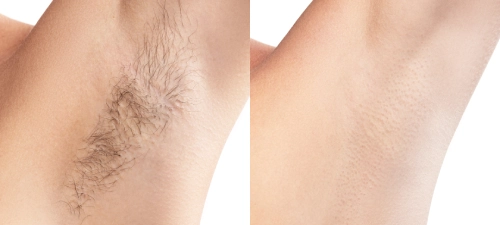
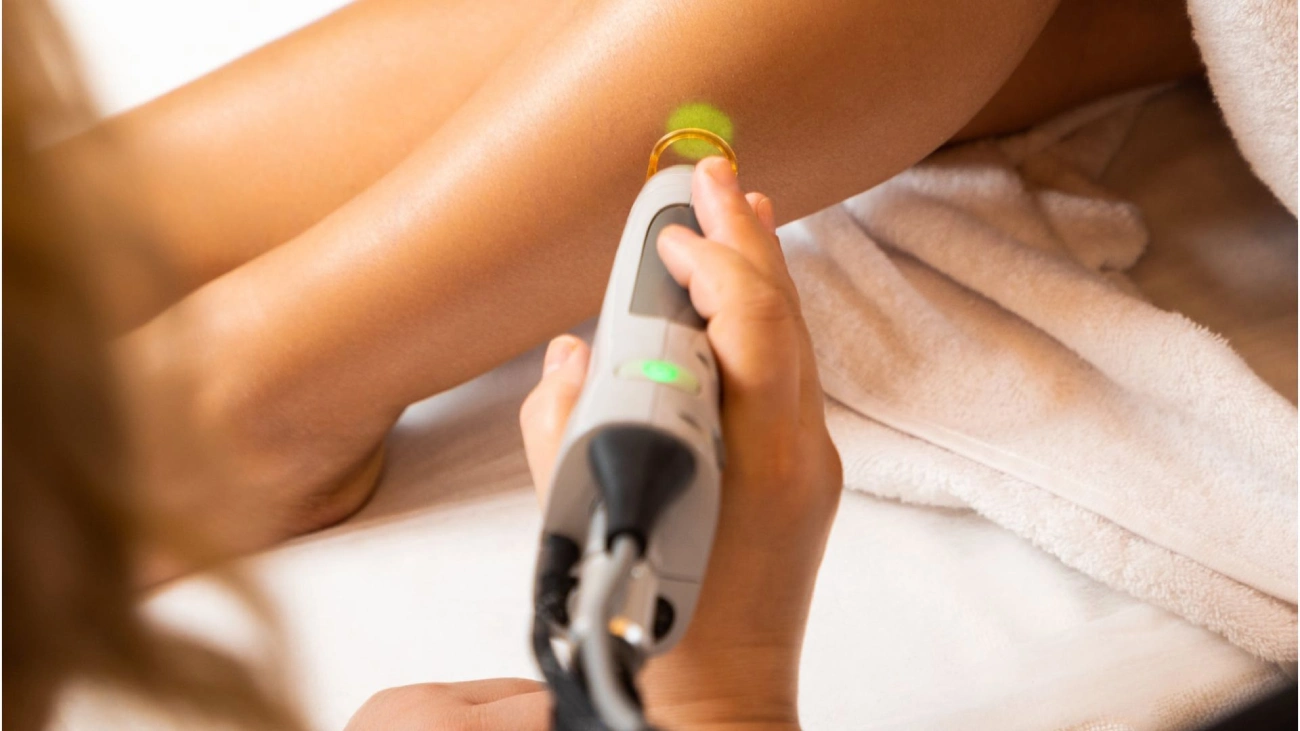
Traditional methods such as shaving, plucking, and waxing provide temporary hair removal and may sometimes contribute to skin irritation or ingrown hairs. Laser hair removal offers a longer-term approach by targeting melanin within the hair follicle with controlled laser energy.
Dr. Dany Touma’s Experience in Laser Hair Removal
Dr. Dany Touma has extensive experience with laser hair removal and has contributed to published research on laser hair removal, including treatment in darker skin types and the long-term response to alexandrite laser treatment.
His published work includes:
- Aldraibi MS, Touma DJ, Khachemoune A. Hair removal with the 3-msec alexandrite laser in patients with skin types IV-VI: efficacy, safety, and the role of topical corticosteroids in preventing side effects. J Drugs Dermatol. 2007;6(1):60-66.
- Touma DJ, Rohrer TE. Persistent hair loss 60 months after a single treatment with a 3-millisecond alexandrite (755 nm) laser. J Am Acad Dermatol. 2004;50(2):324-325.
- Nahm WK, Tsoukas MM, Falanga V, Carson PA, Sami N, Touma DJ. Preliminary study of fine changes in the duration of dynamic cooling during 755-nm laser hair removal on pain and epidermal damage in patients with skin types III-V. Lasers Surg Med. 2002;31(4):247-251.