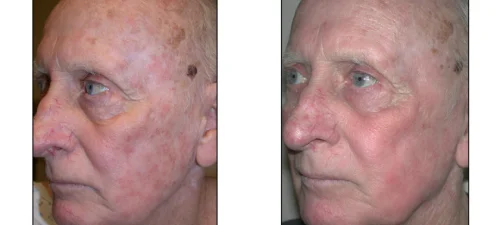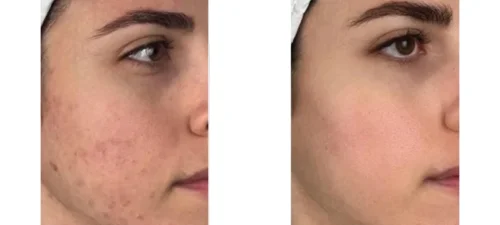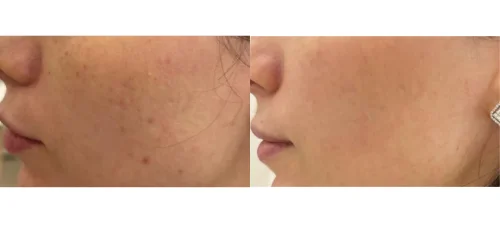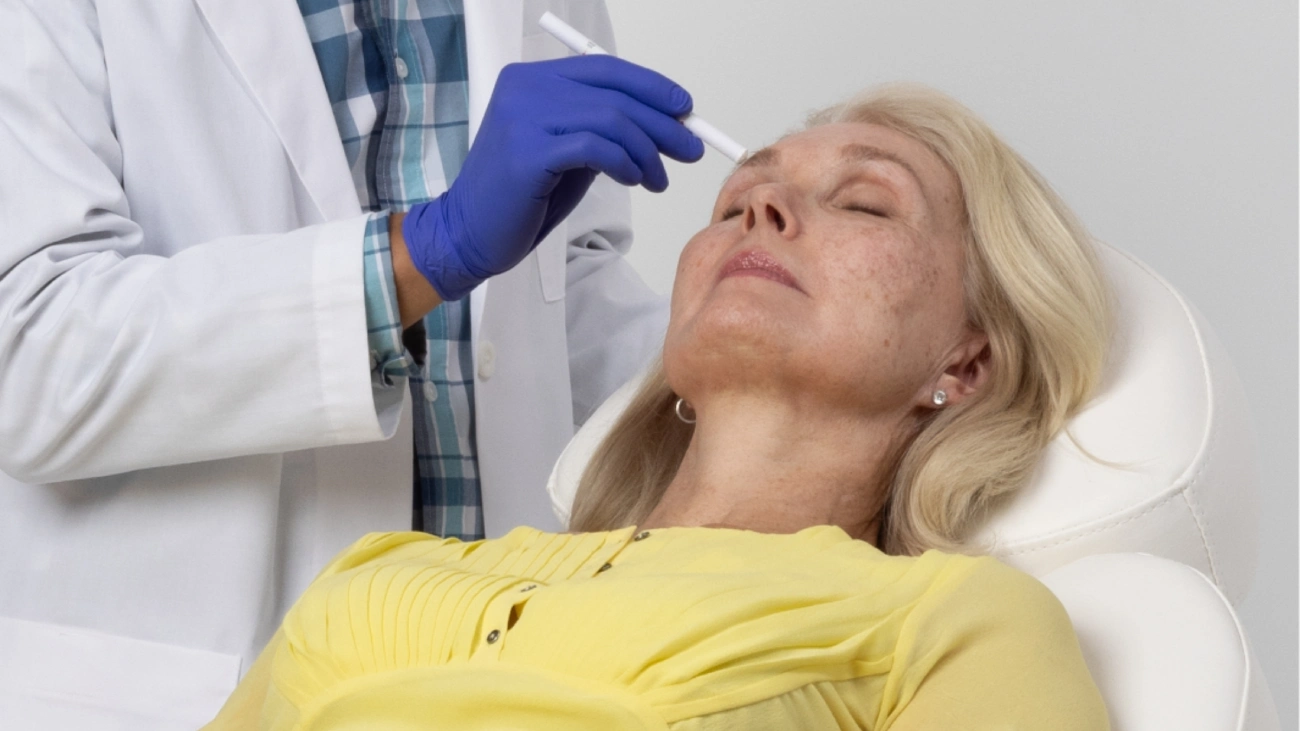
Photodynamic Therapy (PDT) is an advanced, evidence-based treatment used to manage precancerous skin lesions, selected superficial skin cancers, and severe or resistant acne.
At Dr. Dany Touma’s dermatology clinics, The Skin Clinic Lebanon and Skin Experts Polyclinic Dubai, PDT is delivered using refined protocols developed through years of clinical practice and academic research, making it a cornerstone treatment for medical and therapeutic dermatology in the region.
What Is Photodynamic Therapy?
Photodynamic Therapy combines a photosensitizing agent with exposure to a specific wavelength of light or laser to create a controlled reaction within abnormal skin cells.
Once activated, this reaction selectively destroys precancerous and cancerous cells while preserving surrounding healthy tissue. This targeted mechanism makes PDT especially effective for treating diffuse sun damage and large treatment areas that are not ideal for surgery or aggressive freezing techniques.
When Is PDT Recommended?
Photodynamic Therapy is commonly recommended for:
● Precancerous skin lesions (actinic keratoses), especially when diffuse or multiple on the face
● extensive sun-damaged skin, to repair DNA damage and reduce risk of skin cancer
● Selected superficial skin cancers (case-dependent), basal cell and squamous cell carcinoma
● Severe or treatment-resistant acne to selectively replace isotretinoin and obtain similar results
Unlike surgical excision or liquid nitrogen therapy, PDT is minimally invasive, making it a preferred option for patients with multiple lesions or cosmetically sensitive areas such as the face and scalp.
PDT Expertise by Dr. Dany Touma
Dr. Dany Touma is a regional pioneer in Photodynamic Therapy and established the first dedicated skin PDT center in the Middle East. The treatment protocols used at his clinics are the result of extensive clinical experience and research conducted at Boston University, where Dr. Touma contributed to advancing PDT techniques and outcomes.
Today, PDT at The Skin Clinic Lebanon is considered a gold-standard treatment for managing precancerous and superficial cancerous skin lesions.
PDT for Severe Acne
In addition to its oncologic indications, PDT is a highly effective option for severe or resistant acne.
By targeting overactive sebaceous glands and acne-causing bacteria, PDT can significantly reduce inflammation and breakouts. In clinical practice, its effects are comparable to 2–3 months of isotretinoin (Ro-Accutane)—without the systemic side effects associated with oral medication.
This makes PDT an excellent choice for patients seeking a non-systemic, device-based acne solution.
Protocol
– The skin is cleansed
– Aminolevulinic acid applied for 30-60 min
– Laser is used to activate the PDT reaction
– Controlled exposure to ambient light for 1-2 hours might also be recommended depending on individual case
– Strict avoidance of ambient light and sun exposure for 24 hours post PDT
Redness and swelling peak at 24h, peeling occurs in the following 6-7 days.
Treatment Sessions & Recovery
The number of PDT sessions required depends on:
● Skin type
● Extent and number of lesions
● Severity of acne or sun damage
Some patients notice improvement after a single session, while others may benefit from a series of treatments.
Healing is typically rapid, with:
● Redness and peeling resolving within 5–7 days
● No scarring when post-treatment instructions are followed
Photodynamic Therapy in Lebanon & Dubai
If you are looking for a minimally invasive, clinically proven treatment for precancerous skin lesions, superficial skin cancer, or severe acne, Photodynamic Therapy may be the right option.
Dr. Dany Touma and his expert dermatology team offer PDT at The Skin Clinic Lebanon and Skin Experts Polyclinic Dubai, combining medical precision with advanced technology.
Book a consultation today to determine whether PDT is suitable for your skin condition.
Available at Skin Experts Polyclinic UAE and The Skin Clinic Lebanon