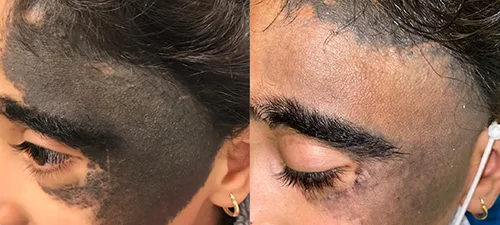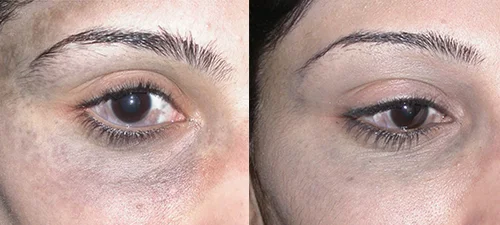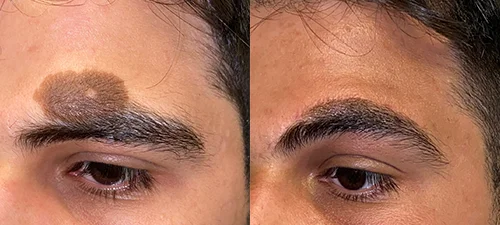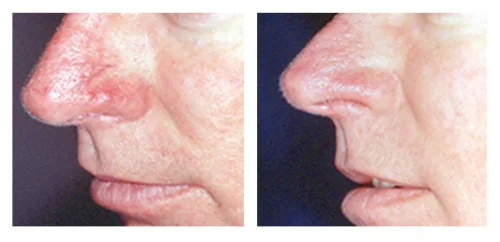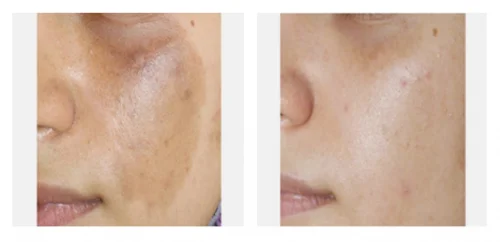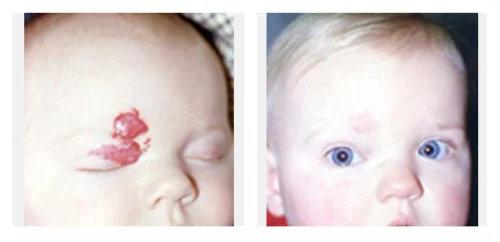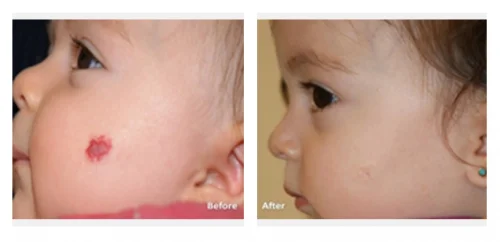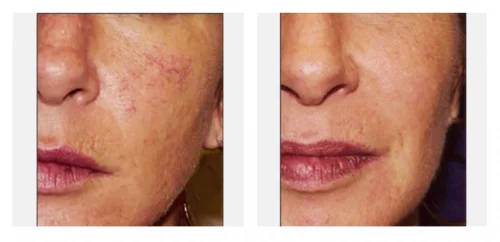
Birthmarks result from an excessive growth of either pigment-producing cells (pigmented birthmarks) or blood vessels (vascular birthmarks). While many birthmarks are medically harmless, they can carry significant cosmetic, psychological, or functional concerns. At The Skin Clinic Beirut and Skin Experts Polyclinic Dubai, laser technology allows us to treat a wide spectrum of birthmarks safely, precisely, and with minimal disruption to surrounding skin.
Types of Birthmarks We Treat Pigmented Birthmarks
Pigmented lasers are used to target excess melanin in the skin. The response to
treatment depends on the depth, size, and type of pigmentation.
Most responsive to laser treatment:
● Nevus pigmentosus
● Nevus of Ota
These lesions often clear almost completely with a limited number of sessions.
More resistant to treatment:
● Large congenital nevi (requires multiple sessions)
● Café-au-lait spots
● Becker’s nevus
While these can be more challenging, laser treatment may still lead to noticeable lightening and improved texture. In addition, hair growing within pigmented birthmarks can be safely and effectively removed with laser, significantly improving cosmetic appearance.
Vascular Birthmarks & Vascular Lesions
Vascular lasers target abnormal blood vessels while preserving surrounding healthy skin.
Conditions commonly treated include:
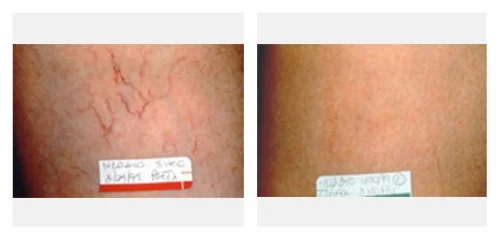
● Facial telangiectasias (broken capillaries), often associated with rosacea
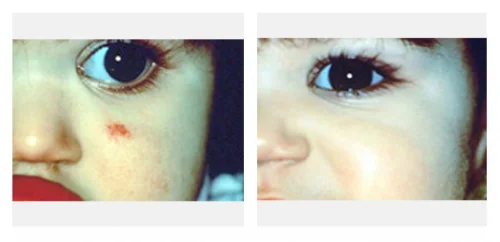
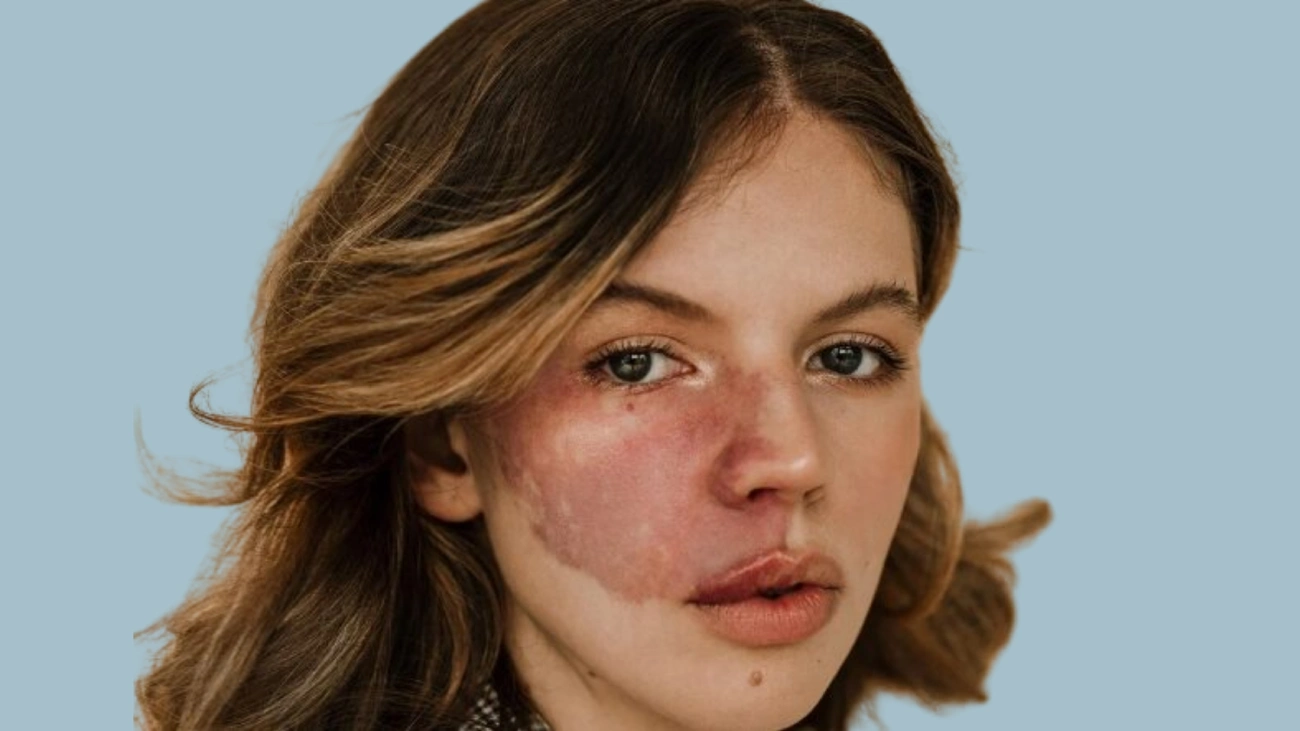
● Port-wine stain birthmarks
● Strawberry hemangiomas
● Leg veins up to 2 mm in diameter
Although these conditions all involve abnormal blood vessels, their behavior differs:
● Telangiectasias usually involve isolated vessels and are benign.
● Port-wine stains are flat and tend to darken and thicken over time and do not resolve spontaneously.
● Hemangiomas often grow rapidly after birth and may regress, but some require early treatment to prevent complications such as bleeding, scarring, or interference with vision or breathing.
Laser treatment can also be used to target the rich vascular supply of:
● Red or raised scars
● Warts
● Post-acne redness and active acne
● Inflammatory skin conditions such as psoriasis
By reducing the blood supply, the laser helps shrink excess tissue, calm inflammation, and normalize skin tone.
Safety & Side Effects
Laser treatment significantly reduces the risk of scarring or textural changes compared to older treatment methods.
Common, temporary effects include:
● Mild redness and swelling (usually resolving within 24 hours)
● Temporary skin discoloration around the treated area
● Occasional transient brown pigmentation lasting a few weeks, depending on skin type and lesion depth
These effects are temporary and can be minimized with appropriate pre- and post-treatment care, including:
● Avoiding aspirin and vitamin E for 10 days prior to treatment
● Strict sun avoidance before and during the treatment course
How Safe Is Laser Treatment?
Laser technology is highly selective, allowing us to treat abnormal blood vessels or pigment without damaging surrounding skin. This precision makes laser treatment exceptionally safe.
In fact, vascular lasers are considered safe enough to be used in infants as young as a few weeks old when medically indicated. Dr. Dany Touma and his colleagues have extensive experience treating thousands of patients with vascular and pigmented lesions across different age groups.
Is the Treatment Painful?
Our lasers are equipped with advanced cooling systems that significantly reduce discomfort. Most patients tolerate treatment well without anesthesia. Larger or more extensive lesions may cause mild discomfort, but this remains manageable for the majority of patients.
How Many Sessions Are Needed?
The number of sessions varies depending on:
● Type of birthmark
● Size and depth of the lesion
● Location and skin type
Small broken vessels may require only a few laser pulses in a single session, while conditions such as port-wine stains or leg veins often require multiple sessions for optimal improvement.
Aftercare & Post-Treatment Precautions
Immediately after treatment, applying an ice pack can help soothe the area. Some patients may be advised to use a topical antibiotic ointment.
Post-treatment recommendations include:
● Avoid trauma or friction to the treated area for several days
● Avoid sun exposure and use physician-approved sunscreen
● Ensure skin is not tanned during the treatment course
Because pigment absorbs laser energy, excess tanning can interfere with laser penetration and increase the risk of pigmentary changes. Optimal results are achieved when treatments are performed on untanned skin.
Our Expertise
With clinics in Lebanon and UAE, Dr. Dany Touma and his team combine advanced laser platforms with decades of dermatologic expertise to deliver safe, effective, and tailored birthmark treatments. Each treatment plan is individualized following a thorough medical and aesthetic evaluation.